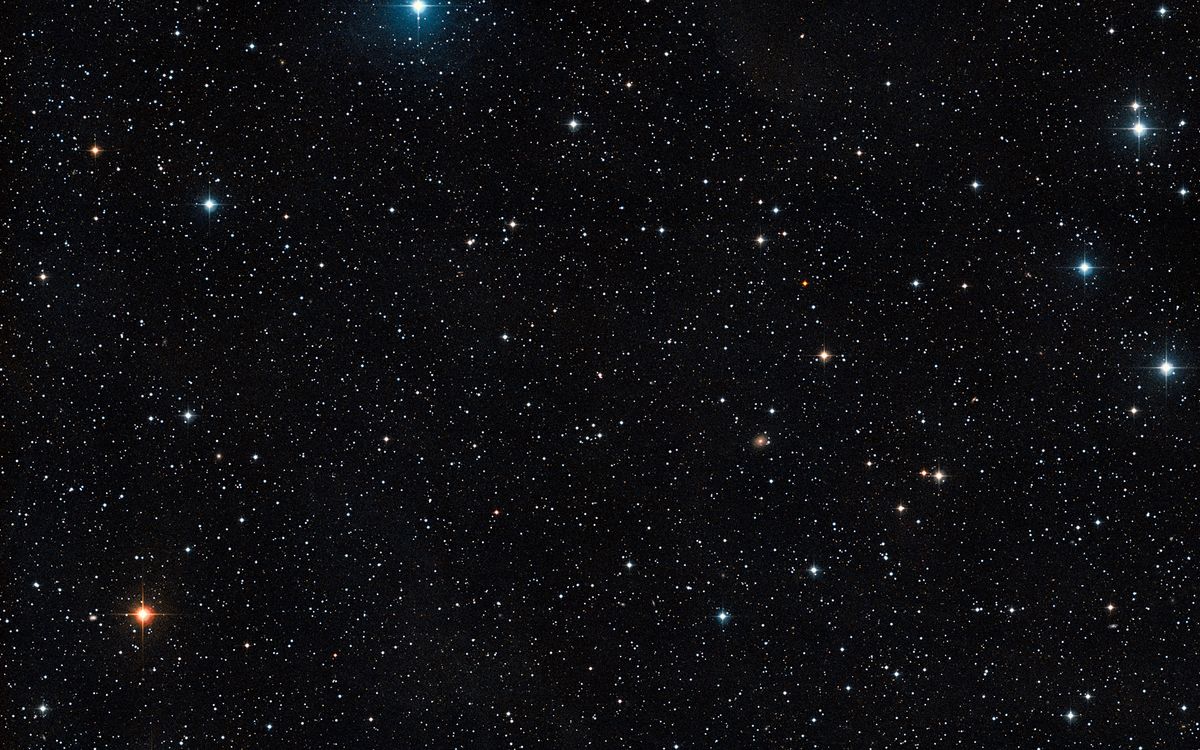
Last week, I was sitting in my backyard when I saw what looked like a slow-moving star glide silently across the sky. My neighbor asked if it was a plane. “Nope,” I said, “that’s probably a Starlink satellite.” Her mind was blown.
Here’s the thing: on any clear night, you can see multiple satellites crossing overhead with nothing but your eyes. No telescope required. Once you know what to look for, you’ll never look at the night sky the same way.
What Are You Actually Seeing?
Satellites are visible because they reflect sunlight back to Earth. The best viewing happens during the “twilight window” - when the sun has set for you on the ground, but satellites in orbit are still illuminated by the sun.
Think of it this way: You’re in the shadow of Earth, but objects 200-400 km above you are still in sunlight, acting like tiny mirrors in space.
When to Look: The Golden Hours
Best Viewing Windows:
- Evening: 30 minutes to 2 hours after sunset
- Morning: 30 minutes to 2 hours before sunrise
During these times, your location is in darkness, but satellites overhead are still catching sunlight.
Pro Tip: I’ve found the first hour after sunset yields the most visible satellites. I logged 47 satellites in one week during evening sessions, compared to just 12 during pre-dawn viewing.
What You’ll See
The International Space Station (ISS)
Brightness: Magnitude -4 to -2 (brighter than Venus!)
Movement Speed: Crosses the sky in 4-6 minutes
The ISS is the crown jewel of satellite watching. I’ve seen it over 30 times now, and it never gets old. It’s bright enough that even city dwellers with light pollution can spot it easily.
Starlink Satellites
Brightness: Magnitude +2 to +4 (easily visible)
Movement Speed: Crosses in 3-5 minutes
Special Feature: Fresh launches create “trains”
I caught a Starlink train two weeks after a launch. Watching 40+ satellites follow each other across the sky was genuinely surreal.
How to Track: The Tools I Use
Smartphone Apps
Heavens-Above (Free)
My go-to app. Provides ISS pass predictions, satellite flyover times, and interactive sky charts.
ISS Detector (Free)
Simpler interface with notifications for ISS passes. I have it set to alert me 15 minutes before visible passes.
Websites
N2YO.com
Real-time satellite tracking with maps. I use this when planning photography sessions.
Spot The Station (NASA)
Dedicated ISS tracker with email/text alerts.
My Evening Routine
Step 1: Check Predictions (5 minutes before sunset)
Open Heavens-Above and note ISS passes and bright satellites.
Step 2: Get Outside (30 minutes after sunset)
Bring red flashlight, binoculars (optional), phone, and notebook.
Step 3: Orient Yourself
Know your cardinal directions. Apps use compass bearings.
Step 4: Watch and Wait
Satellites appear as steady points of light moving in straight lines. Unlike planes:
- No blinking lights
- Constant speed
- No sound
- Move slower than meteors
Common Mistakes
Looking Too Early - Wait until sky is properly dark but sun hasn’t been down too long.
Giving Up Too Fast - Predictions can be off by 2-3 minutes. Stay patient.
Confusing Planes - Planes blink. Satellites don’t.
Your First Night: A Challenge
Tonight, try this:
- Download Heavens-Above (free)
- Enter your location
- Check for ISS passes in next 7 days
- Set reminder for 10 minutes before brightest pass
- Go outside and find it
I guarantee you’ll be hooked. That first time you spot the ISS gliding silently overhead - it’s genuinely moving.
The Bottom Line
Satellite watching costs nothing, requires no special equipment, and turns every clear evening into space exploration. In my six months of regular observation, I’ve logged over 200 satellite sightings and photographed the ISS 12 times.
Start tonight. Check Heavens-Above, find when the ISS passes, and go look up. Bring a friend. Share the experience.
Clear skies!